
What is Information Technology?
Information technology is a general term that describes any technology that helps to produce, manipulate, store, communicate and disseminate information. It can also be referred as the technology that uses computing with high-speed communication links to spread information from one place to another. That's why computer is a very important component. Due to its continuous advancement, the world has become a global village.
What is a Computer?

It is an electronics device that is programmed to accept data, process data into useful information and store it for later use. Computers are usually consist of hardware and software. Software is a set of instructions that tells a computer what to do. Hardware is the physical part of a computer (e.g. keyboard, mouse, monitor, etc.)
Brief History and Generations of Computers
The six generations are:
Mechanical era ( 1623-1900 )

First generation electronic computers ( 1937-1953 )
 |
| Vacuum Tube |
Second generation ( 1954-1962 )
 |
| Transistor |
Third generation ( 1963-1972)

Fourth generation ( 1972-1984 )
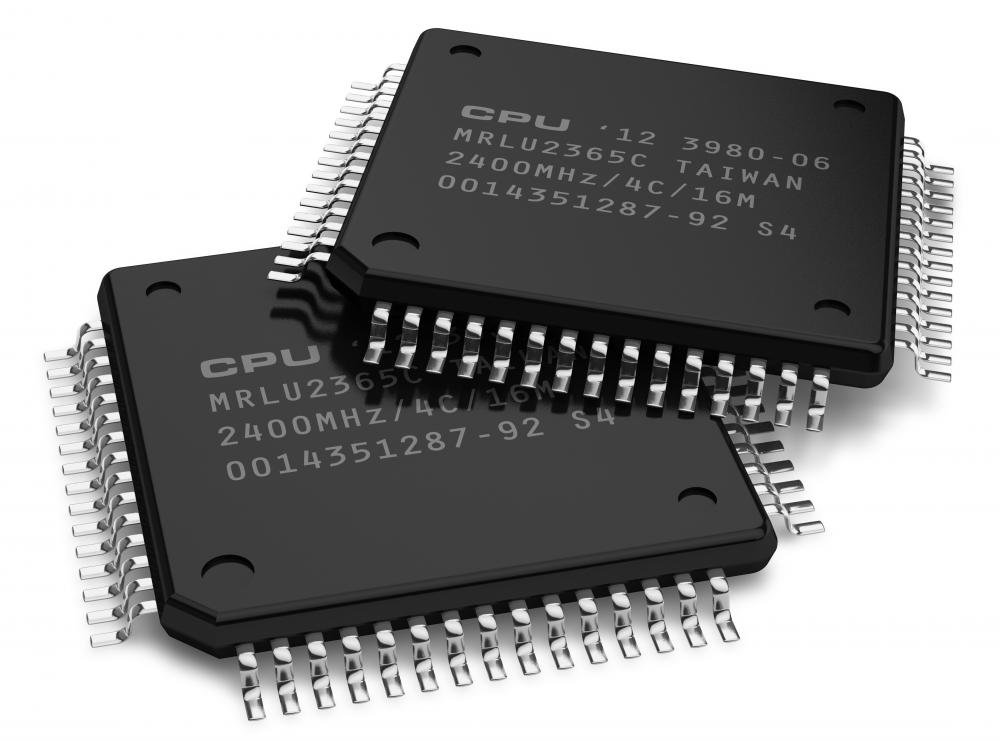
Fifth generation ( 1984-1990 )

Sixth generation ( 1990-present )

Types of Computer
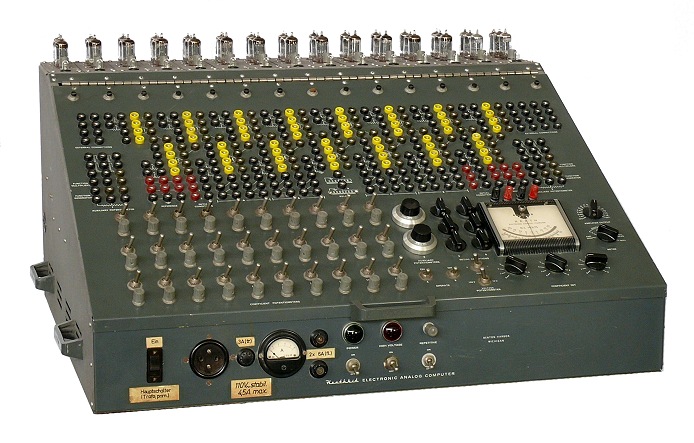
Analog Computers
- Recognizes data as continuous measurement of a physical property
- Its output is usually displayed on a meter or graphs
- Examples are analog clock, speedometer of a car, thermometer

Digital Computers
- It works with numbers
- They break all types of information into tiny units and use numbers to represent those pieces of information
- Everything is described in two states (i.e. either ON (1) or OFF (0)
- They have very fast and big memory
Computers System and its Components
Input Devices
The devices that are used to enter data and instructions into the computers
Most commonly used input devices are keyboard and mouse
Output Devices
The devices that are used to display processed data to the user
Most commonly used output devices are monitor, printe, and speakers
Hard Copy is paper copy-tangible
Soft Copy is intangible
System Unit
Its a box that contains different components of a computer system
All electronic components in the system unit are connected to motherboard
Important components of system units are:
Central Processing Unit (CPU)
Memory
Storage Devices
These are used to store data permanently even when the computer is turned off
It is non volatile memory
Examples:
Floppy Disk
Hard Disk
CD-ROM
Communication Devices
A communication device is a hardware component that enables a computer to send and receive data, instructions and information to and from one or more computers
A widely used communication modem
Wired media
Wireless media
Modulation and Demodulation
Modulation
Conversion from Digital to Analog signals
Demodulation
Conversion from Analog to Digital signals
Information Processing Cycle

Data
- A collection of raw facts and figures is called data.
- It may consist of numbers, characters symbols, pictures, etc.
Information
- Processed data is called information
- It is more meaningful than data
Data collected and given to the computer for processing
Computer process data to the required information
The information is given to the user as output
Information is stored in the computer for further use
What Course to Pursue?
Bachelor of Science in Information Technology
The Bachelor of Science in Information Technology (BSIT) is a four-year degree program in the Philippines that deals with the processing and distribution of data with emphasis on its application on businesses. By enrolling in this program you will learn how to write, design, and maintain computer programs; check them for errors; determine appropriate solutions to fix problems, and rewrite codes to accommodate necessary changes. Since this course is more about the business
application of the systems or applications you will create, you may also be taking up a few business subjects such as Accounting and Human Resource Management. Some of the subjects that you may take during the course of your study include:
- IT Fundamentals
- Programming
- Discrete Structure
- Computer Organization
- Operating Systems Application
- Network Management
- Systems Analysis and Design
- Software Engineering
- Technopreneurship
- Object Oriented Programming
- Database Management Systems
- Web Development
- Multimedia Systems
In addition to taking those subjects, you may also undergo an On-the-Job Training program at IT companies or companies whose businesses are heavily dependent on Information Technology such as computer and computer accessories manufacturers, call centers, and accounting firms to name a few.
CAREERS
Graduates of BS Information Technology can apply for any of the following positions:
Network Administrator
Database Manager
Technical Support Specialist
Web Developer
QA Specialist
Mobile Applications Developer
